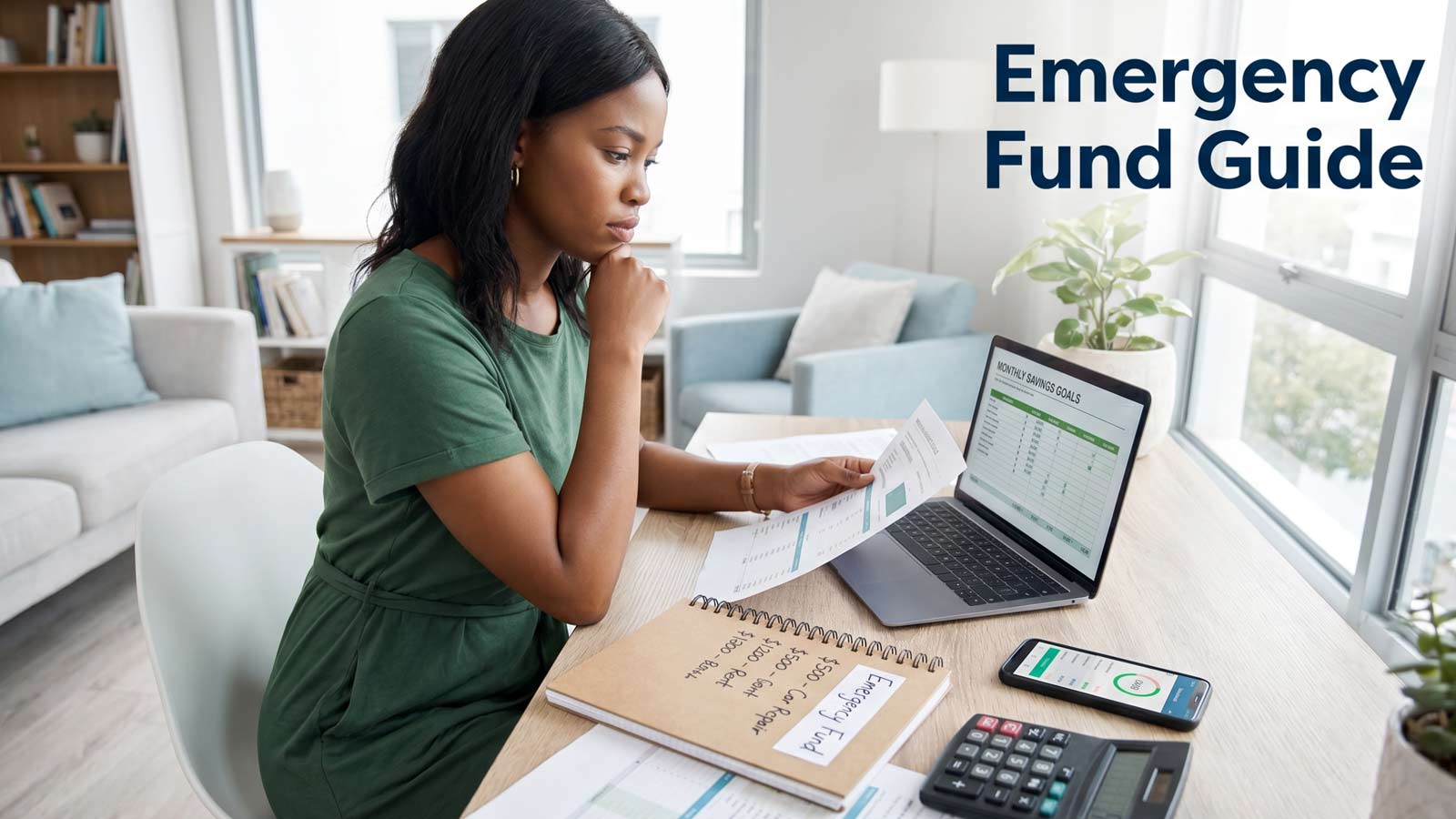
Emergency Fund: How to Build a Strong Financial Safety Net
Unexpected expenses are part of life. A job loss, a car repair, or a medical bill can show up without warning—and when they do, your financial stability can take a hit if you’re not prepared.
This is exactly where an emergency fund comes in. It acts as a buffer between you and financial stress, helping you handle sudden costs without relying on credit or going into debt.
Short Answer: An emergency fund is money set aside to cover unexpected expenses like job loss or urgent repairs. In most cases, saving 3 to 6 months of essential expenses provides a strong financial safety net.
What Is an Emergency Fund and Why Is It Important?
An emergency fund is a dedicated savings reserve used to cover unexpected financial situations, helping you avoid debt and maintain stability during uncertain times. It acts as your financial safety net when life doesn’t go as planned.
Emergency Fund: A separate pool of savings specifically set aside for unexpected expenses such as medical bills, job loss, or urgent repairs.
In simple terms, this is money you don’t touch unless something truly important comes up. That distinction matters. Without it, many people end up relying on credit cards or loans, which can create long-term financial pressure.
If you’re building your financial foundation, understanding how an emergency fund fits into your overall strategy is essential. It’s one of the core building blocks covered in personal finance basics.
How Much Should You Keep in an Emergency Fund?
In most cases, you should aim to save between 3 to 6 months of essential living expenses in your emergency fund, depending on your job stability and financial situation. This range provides a practical balance between security and flexibility.
For example, if your monthly essential expenses are $2,000:
- 3 months = $6,000
- 6 months = $12,000
What many beginners don’t realize is that the right amount depends on your personal situation. Someone with stable income may feel comfortable with 3 months, while someone self-employed may need closer to 6 months or more.
This is important because underestimating your needs can leave you exposed, while overestimating can slow down other financial goals.
What Expenses Should an Emergency Fund Cover?
Your emergency fund should cover essential expenses only—things you need to maintain your basic standard of living if your income is disrupted. These are non-negotiable costs that continue regardless of your situation.
Typically, this includes:
- Housing (rent or mortgage)
- Utilities
- Groceries
- Transportation
- Insurance
- Minimum debt payments
It does not include lifestyle expenses like dining out, subscriptions, or entertainment. This distinction is where many people get it wrong.
If you’re unsure how to separate essential from non-essential spending, using a structured approach like budgeting for beginners can make things clearer.
How to Build an Emergency Fund Step by Step
To build an emergency fund, start small, stay consistent, and gradually increase your savings over time. The goal isn’t speed—it’s reliability and habit-building.
- Step 1: Set a small initial goal (e.g., $500–$1,000)
- Step 2: Open a separate savings account
- Step 3: Automate monthly contributions
- Step 4: Increase contributions as your income grows
Here’s where many people run into issues: they try to build the full fund too quickly and get discouraged. Starting with a smaller milestone makes the process manageable.
Quick Tips
- Keep your emergency fund separate from your daily spending account
- Automate transfers right after payday
- Treat savings like a fixed expense
Where Should You Keep Your Emergency Fund?
Your emergency fund should be kept in a safe, easily accessible account, such as a high-interest savings account. Liquidity is more important than high returns for this type of money.
This means you should avoid investing your emergency fund in stocks or volatile assets. The purpose of this money is stability—not growth.
Based on how financial systems typically operate, access to your funds within a few days (or instantly) is critical during emergencies. This can make a big difference when timing matters.
Common Mistakes
- Investing emergency funds in risky assets
- Keeping funds in a checking account where they get spent
- Not separating emergency savings from general savings
When Should You Use Your Emergency Fund?
You should use your emergency fund only for true emergencies—situations that are unexpected, necessary, and urgent. This ensures the fund is available when you really need it.
Examples of valid uses include:
- Job loss
- Urgent medical expenses
- Essential home or car repairs
Examples of what does NOT qualify:
- Vacations
- Shopping or lifestyle upgrades
- Planned expenses
This is where discipline matters. Treating your emergency fund as “extra money” is one of the fastest ways to lose its protection.
How an Emergency Fund Supports Your Financial Stability
An emergency fund strengthens your financial stability by reducing reliance on debt and giving you more control during unexpected situations. It creates breathing room when things go wrong.
For example, without an emergency fund, many people rely on credit cards. Over time, this can lead to high-interest debt, which becomes difficult to manage.
Understanding how borrowing works—and how it can affect your financial health—is easier when you know how credit works.
This is important because avoiding debt during emergencies can protect your long-term financial progress.
Related Topics
- Personal Finance Basics: Beginner Guide to Money Management
- How Much to Save Monthly: Simple Savings Rate Guide
- Budgeting for Beginners: Simple Guide to Managing Money
Frequently Asked Questions
Is $1,000 enough for an emergency fund?
$1,000 is a good starting point, especially for beginners. However, in most cases, you’ll want to build toward 3 to 6 months of essential expenses over time.
Should I save or pay off debt first?
In most cases, building a small emergency fund first is recommended, then focusing on high-interest debt. After that, you can continue growing your savings.
How long does it take to build an emergency fund?
This depends on your income and savings rate. For many people, it can take several months to a few years to fully build a complete emergency fund.
Important Disclaimer
This article is for informational purposes only and does not constitute financial, legal, or tax advice in the United States or Canada. Financial situations vary, and you should consult with a qualified professional before making any financial decisions. While we aim to provide accurate and up-to-date information, we make no guarantees regarding completeness or accuracy.
Conclusion
An emergency fund isn’t just a savings account—it’s protection. It gives you the ability to handle unexpected situations without falling into financial stress or debt.
Want to build a stronger financial foundation? Start with the essentials in our complete personal finance beginner guide and take control of your money step by step.